
Engineering Resilient Communities
Rice Civil and Environmental Engineering brings together nationally recognized expertise in flood and hurricane risk, community resilience modeling, uncertainty quantification and resilient infrastructure to protect communities, infrastructure and quality of life from disasters.
Co-founder Of CERCAT, With Lehigh University
Decade-long partner in the NIST Center of Excellence for community resilence
#11 Environmental Engineering U.S. News & World Report
Research From Prediction to Recovery
Flood Risk & Hurricane Resilience
Forecasting, warning and mitigation tools that protect Gulf Coast communities, from SSPEED's flood alert systems to the Galveston Bay Park Plan. Community Resilience & Catastrophe Modeling
Risk-based models that help communities and industry plan for, withstand and recover from disasters. Uncertainty Quantification & Multi-Hazard Modeling
Probabilistic methods for modeling tropical cyclones and compound extremes, and for making decisions under uncertainty.Resilient Infrastructure & Urban Systems
Sustainable materials, adaptive structures, mobility and AI-driven tools that keep infrastructure working under extreme conditions.
Meet the Faculty
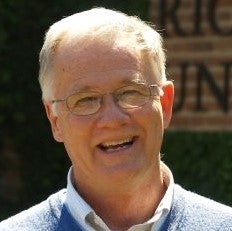
Philip Bedient
Herman Brown Professor of Engineering; Director, SSPEED Center
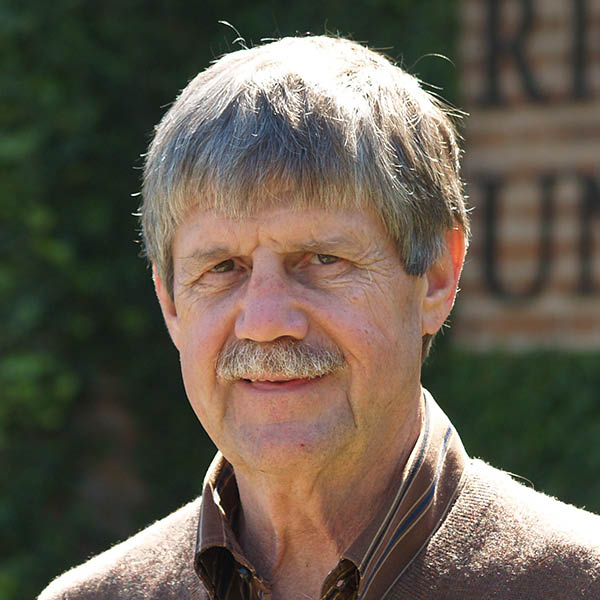
Jim Blackburn
Professor in the Practice of Environmental Law; Co-Director, SSPEED Center
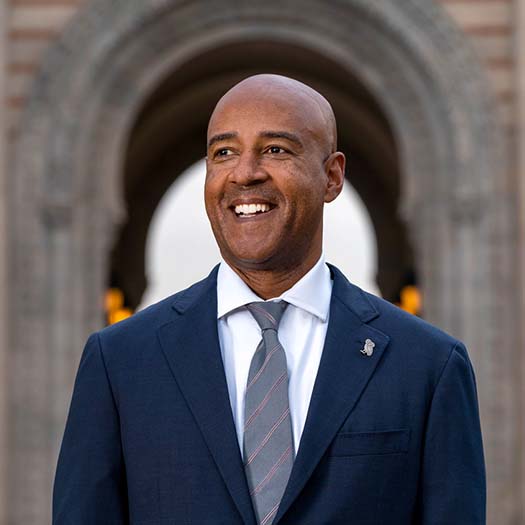
Reginald DesRoches
President, Rice University; Professor of Civil and Environmental Engineering and Mechanical Engineering
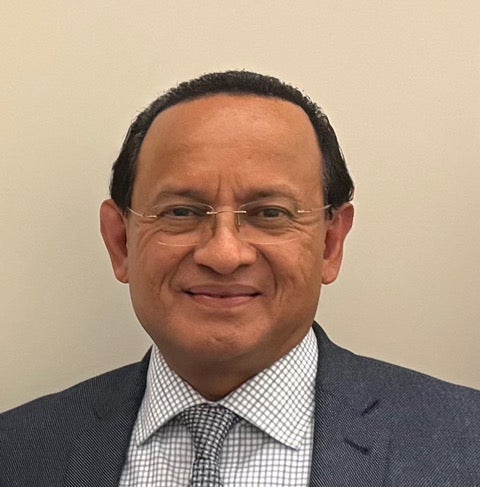
Satish Nagarajaiah
Professor of Civil and Environmental Engineering and Mechanical Engineering

Jamie Padgett
Stanley C. Moore Professor in Engineering and Department Chair
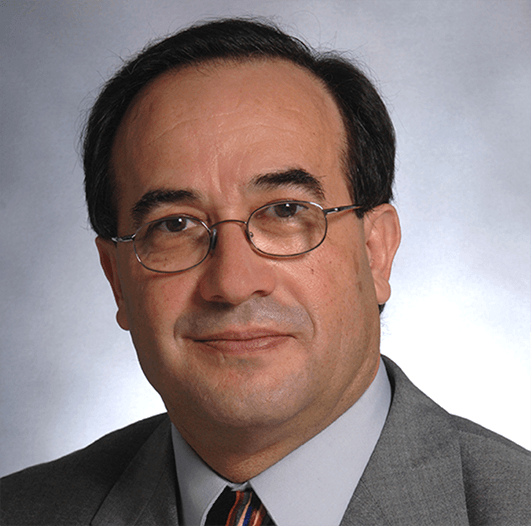
Pol D. Spanos
Lewis B. Ryon Professor in Mechanical and Civil Engineering; Member, National Academy of Engineering
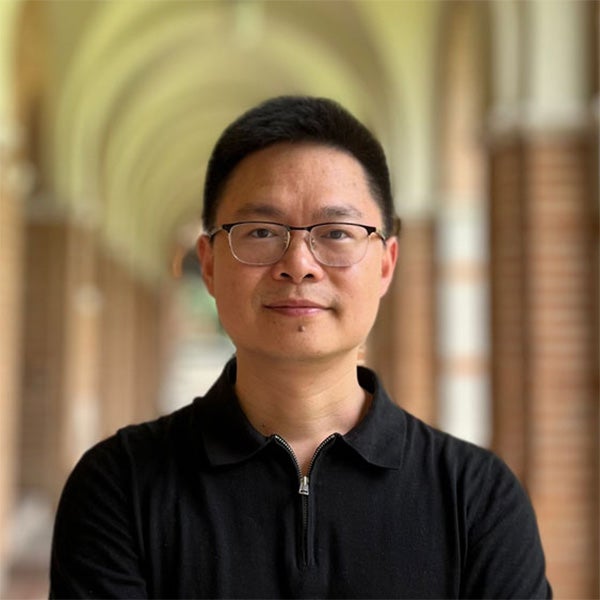
Kai Gong
Assistant Professor of Civil and Environmental Engineering

Avantika Gori
Assistant Professor, Civil and Environmental Engineering
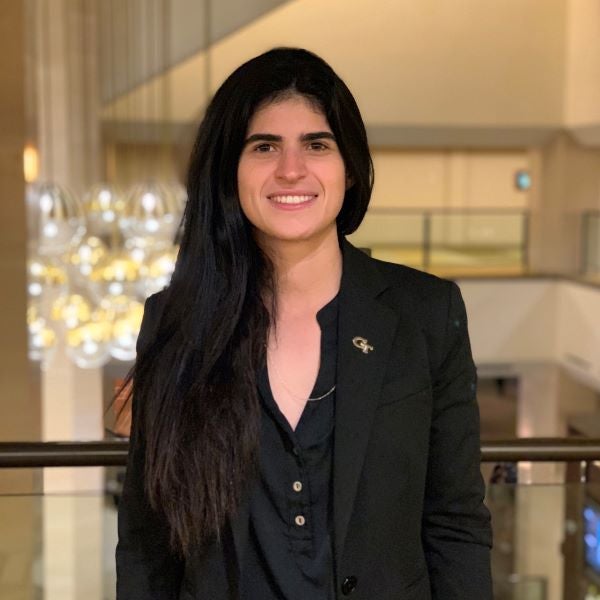
Larissa Novelino
Assistant Professor, Civil and Environmental Engineering
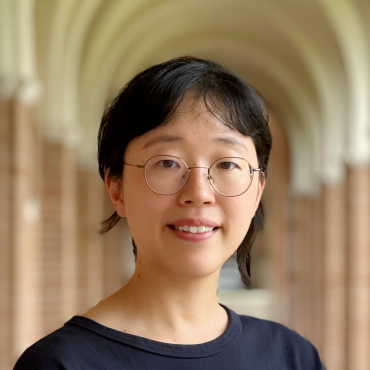
Sang-ri Yi
Assistant Professor, Civil and Environmental Engineering
Research Leadership

SSPEED Center
Established at Rice in 2007, the Severe Storm Prediction, Education and Evacuation from Disasters Center develops the flood warning and mitigation tools that protect the Houston region, including the Texas Medical Center Flood Alert System that underpins the City of Houston's FIRST system, and leads regional resilience plans such as the Galveston Bay Park Plan.

CERCat
Launched in 2025 with Lehigh University, the Consortium for Enhancing Resilience and Catastrophe Modeling builds a unified research and innovation pipeline that connects academic discovery with industry needs in catastrophe risk modeling.
AI4UrbanResilience
A Ken Kennedy Institute research cluster led by James Doss-Gollin that develops faster, more precise AI tools to manage complex urban systems under extreme weather and changing conditions.